Perspectives

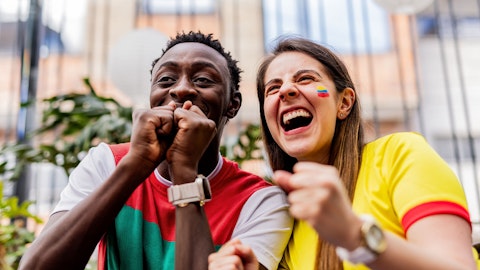
Executive Summary: The FIFA World Cup remains one of the world's largest cultural and sporting events. While many brands approach it as a sponsorship opportunity, it also offers broader lessons about how people engage with major cultural moments - and why understanding audiences beyond core fans creates lasting competitive advantage. Erika Sciacovelli explores why these "silent fans" represent an overlooked opportunity for brands to build relevance with audiences beyond traditional fans.
The biggest audience isn't made up of die-hard fans
The World Cup has never been watched exclusively by football fans. People tune in because the tournament is culturally unmissable, because friends are watching, their national team is playing, or the shared excitement is simply hard to ignore. We call these audiences "silent fans": people who actively engage with a cultural event without considering themselves passionate followers of the sport. For brands, World Cup 2026 illustrated a broader truth: major cultural moments attract audiences that traditional sports marketing frameworks weren't built to reach.
Lay's understood this instinctively with its "Bandwagon" campaign featuring Will Ferrell, a self-aware celebration of the casual fan experience. The campaign spoke to everyone who has ever found themselves caught up in a tournament they weren't planning to follow and made that feeling something to celebrate rather than apologize for.
Fandom has fragmented - and the tournament follows
Some fans watch every match. Others follow highlight clips on TikTok, track memes in group chats, or engage with creator commentary rather than official broadcasts. Attention is already fragmented before a ball is kicked.
Norwegian star Erling Haaland's social media reach illustrates how modern sports audiences increasingly organize around individual players and storylines rather than teams or the sport itself. Brands that map those fan journeys will find more entry points and more meaningful ones.
Emotion travels further than match results
Underdog stories, national pride, heartbreak, comeback narratives, and the spectacle of a global community united around the same event: these are the moments that reach people who aren't following the standings.
Coca-Cola’s "All the Feels" campaign for 2026 leans into the emotional texture of the tournament - the joy, the tension, the collective experience - rather than match outcomes. Sponsorship doesn't guarantee cultural relevance, but emotional resonance does. The brands that show up in the right tone at the right cultural moment often outperform official partners.
World Cup 2026 reinforced this point: the moments people remembered most were often emotional and cultural rather than purely sporting.
This pattern isn't unique to football. Across major cultural moments, emotional stories often travel further than the event itself.
The opportunity doesn't end with the final whistle
Major cultural events create temporary behaviors - new viewing habits, emerging creators, and new communities of interest. The World Cup is one example, but the same pattern appears across entertainment, sport and culture. Brands that continue showing up after the spotlight fades are more likely to convert attention into lasting relationships.
Nike's approach offers a useful model: rather than ending campaigns with the tournament, the brand continues telling athlete stories, building narratives around breakout players, resilience, and next-generation talent. McDonald's takes a similar approach, extending World Cup campaigns into youth football programs and local fan experiences.

Brands that treat major cultural moments as one-off activations often lose the audience they worked to earn. Those that think in terms of relationships, not campaigns, turn temporary attention into lasting brand growth.
The real advantage: Understanding people, not just measuring reach
Many brands will know how many people watched. Fewer will understand who those people were and what motivated them to engage. That gap between measurement and understanding is where brand opportunities are won and lost. The same principle applies whether the cultural moment is the Super Bowl, the World Cup or another global event. The Super Bowl demonstrated this clearly: as women became an increasingly influential part of the game-day conversation, brands that recognized the shift outperformed those still speaking to a narrower assumed audience.
Understanding consumer behavior through culture and trends rather than demographics alone is what separates brands that capture a moment from those that convert it into lasting equity.
Key Takeaways
- The silent fan represents one of the largest yet least-understood audiences around major sporting events
- Fandom is fragmented across platforms, personalities, and formats; understanding different fan journeys is more valuable than assuming a single viewing experience
- Emotional moments travel further than match results, and are accessible to brands without official sponsorship
- Post-event behaviors (new habits, new followings, new interest) are entry points into longer relationships if brands remain present
- Reach metrics alone won't reveal who the new and casual audience is; consumer insight is what converts tournament visibility into brand growth
Conclusion: From audience to relationship
World Cup 2026 demonstrated that reach is only the starting point. The real opportunity lies in understanding the people behind the numbers - who they are, what motivated them to engage, and how brands can remain relevant long after the event is over.
At Hall & Partners, we help brands move beyond measuring audiences to understanding people, connecting cultural insight to the brand strategy decisions that turn a moment of attention into lasting loyalty.
Talk to our team of experts
Learn how we can deliver actionable insights and creativity to drive brand growth.
Key Questions
The silent fan is someone who actively engages with a major sporting event without considering themselves a passionate follower of the sport. They may watch key matches, follow highlights on social media, or join conversations around the event. For brands, these audiences represent an often-overlooked opportunity to build relevance beyond traditional sports fans and create lasting brand growth.
Casual fans often make up a much larger audience than dedicated supporters during major cultural events. They engage for reasons that extend beyond the sport itself - national pride, shared experiences, entertainment, or cultural relevance. Understanding what motivates these audiences helps brands create messaging that resonates beyond the tournament and builds stronger emotional connections.
No. Official sponsorship provides visibility, but it doesn't guarantee cultural relevance. Brands that tap into the emotions, conversations, and shared experiences surrounding the tournament can create meaningful engagement without being official partners. Authentic storytelling and cultural insight often have a greater impact than sponsorship alone.
Map the behaviors that major cultural moments create, not just the behaviors they activate. New followers, new streaming habits, casual interest in players or storylines: these are entry points into longer relationships if brands are present consistently after the event ends. The question to ask is: what would make a silent fan feel recognized and welcomed into an ongoing conversation, rather than targeted for a six-week window and then forgotten?
World Cup 2026 demonstrated that major cultural moments bring together audiences with different motivations, viewing habits, and levels of fandom. Brands that move beyond measuring reach to understanding why people engage are better positioned to build long-term relationships, strengthen brand relevance, and drive sustainable growth.